
Price Breakdown: What Does an Epoxy Floor Cost Per Square Foot
What is Epoxy Flooring?
Epoxy flooring can be described as a flooring surface consisting of multiple layers of epoxy, which is applied to a floor at a minimum of two millimeters. When epoxy flooring is compared to epoxy floor coatings, confusion often results. The difference lies in the thickness of epoxy. Epoxy floors are defined as epoxy coatings at least two millimeters thick. An epoxy floor coating is any epoxy floor with a thickness of fewer than 2 millimeters.
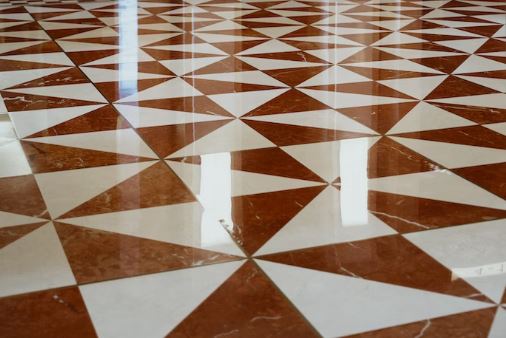
How much does Epoxy Flooring cost?
On average epoxy flooring costs $2,155 to homeowners. The average price is $1,432 while the maximum price is $2,948. Materials and equipment are expected to cost between $2-$5 per square foot. The fees for professional services range from $3 to $12 per sq foot. Wondering how to calculate areas like your garage and basement? Check out the table below.
Area | Cost |
Epoxy flooring cost for a 24′ x 24′ Garage floor | $2,500 – $5,500 |
Epoxy flooring cost for kitchen Floor | $3 to $7 per square foot |
Epoxy flooring cost for basement | $3 to $7 per square foot. |
Epoxy flooring cost for 480 square foot driveway | $80 to $115 for sealing, |
Do I need Epoxy Flooring at home?
Epoxy coatings are great for protecting areas such as garages, basements, or kitchens that see a lot of foot traffic. Epoxy floor coatings protect floors from wear, cracking, chipping, and other damage. Although epoxy floor coatings were originally used for industrial and commercial flooring, they are now being popular for residential use. Epoxy flooring can last for up to 20 years.
What are the most popular Epoxy Flooring Types?
- Self-Leveling Epoxy Flooring: Self-leveling epoxy can be used to cover old concrete floors that are cracked or damaged. It creates a smooth, durable, and leveled floor surface. The self-leveling epoxy floor provides a seamless, shiny look and is available in many colors to suit commercial, industrial, residential, and institutional spaces.
- Epoxy Mortar Flooring: This epoxy flooring option is the most rigorous. This epoxy floor is composed of solid epoxies, graded or quartz-sand. Mortar systems are great for areas that need a floor that can withstand high impact and chemical resistance. This epoxy floor can be used for crack repair before you apply another type.
- Quartz-Filled Epoxy Flooring: Quartz epoxy flooring combines a high-performance epoxy resin with stained quartz grains. This epoxy is best used for decorative areas that require slip-resistant and sanitary properties.
- Anti-Static Epoxy Flooring (Electrostatic charge (ESD), Resistant Floors). ESD can pose a danger to many workplaces. Anti-static epoxy floors are a great way to reduce static hazards in your space. The epoxy floor usually contains a conductive material that collects static electricity and dissipates it. For spaces containing flammable materials, an anti-static epoxy floor is highly recommended.
- Epoxy Flake Floors: These epoxy floors are made with colored flake materials. They are embedded in epoxy to give it a multi-hued appearance. These flakes provide a seamless appearance and allow for slips and falls to be reduced by providing subtle grooves on each surface. You can customize epoxy flake flooring for any space with a wide range of colors, styles, and textures.
Where can I use Epoxy Flooring?
Epoxy flooring can be installed in all these areas:
- Basement Floor
- Concrete Driveways
- Garage Space
- Walkways
- Lobbies
- Living areas
- Kitchen areas
Is Epoxy flooring eco-friendly?
Epoxy flooring is environmentally friendly because it doesn’t need to be renewed regularly and requires very few materials. Epoxy flooring can be applied using water-based or solid epoxy. It takes less time to apply epoxy coatings than to install new tiles or vinyl flooring. Epoxy flooring is a more sustainable option because it is durable, cost-effective, and lasts for many years.