
Different types of flooring to be considered
The floor is the biggest surface of the home. Choosing the right flooring depends on what you are looking for, your lifestyle, and your personal preferences. Every type of flooring has unique advantages, so the best choice depends on what you need and where it is located.
Wood, engineered, vinyl, tile, and carpet are all popular flooring choices. Find out more about flooring types, their best attributes, and how to make the best of them all. Also, learn how much each type of flooring can cost.

Flooring systems: Prices can differ depending on how large the area is!
New flooring costs range from $6-10 per square foot. Some homeowners spend as little as $3-$18 per square foot depending on what material they choose. You can expect to spend between $1,660- $4,620 on installation and materials for a living space of 330 square feet.
Your house’s floor is an important part of the value. While it is not a good idea to spend too much, you must also take into account your financial budget. Although cost is a key factor, flooring selections should be made based on the local climate, soil attraction, foot traffic, and use of rooms.

Flooring's quotes considerations
Any type of flooring has a square-meter price. The materials that you order are based on square footage. Your installer will give you an estimate based on the square footage, plus 10% for scrap. There will be additional charges for floor registers and pipes that need to be cut.
Every type of flooring has different benefits. Before you decide on the right flooring material for your home, assess what each space needs. You can then choose from a wide variety of flooring options that match your taste and budget. The following guide will help you choose the right type of flooring to fit your needs.
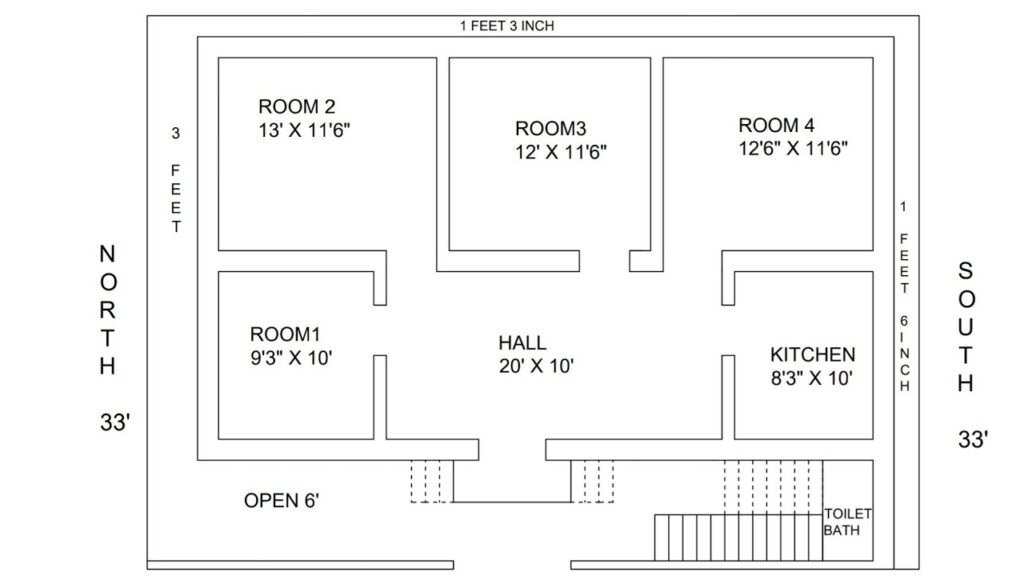
Floor systems in building construction
There are many requirements for different buildings, which is why there’s no one right solution. While the specific requirements will vary depending upon the use of the building, there are some subtler issues that you should be aware of. These are discussed below.
Concrete floor solutions for structures and buildings that are cost-effective. These are some of the many types and prices for concrete flooring:
- Flat-plate slabs
- Flat slabs
- Slices of waffle
- Beam on slab
- Beams with unidirectional slab on beams
- One Way Joist Floor System
- Flat Plate Floor System

Floor systems: Flat plate slabs
These flat-plate systems can be supported on columns directly and have spans of 6-8 m. They also support a live load between 3-5 KN/m2. This floor type is most commonly used for:
- Hotels.
- Hospitals.
- Multiple-family residences
Flat plates have many advantages, including the ease of construction and cost-effectiveness of the formwork. Flat plates can reduce the height of buildings. This is a good thing for economic reasons. Because a reduction in overall building height would result in fewer vertical openings for cladding, partitions, and mechanical systems as well as plumbing. Flat plates also allow for the expansion of height-restricted buildings by increasing the number of floors. Flat plates have low relative stiffness and shear strength.
Roofing Contractors Insurance: Types of Policies and Cost
While roofing contractors may have unique insurance requirements depending on the nature of their business and their clientele, two basic policies must be purchased by all roofing contractors.
1) Roofing Liability insurance
General liability is the first coverage for roofers. The policy protects you and your workers from bodily or property injury while working on roofs. These same damages can be covered if you or your crew cause damage to the roof after it is completed.
When people refer to liability insurance they usually mean this policy. This policy covers common claims such as roofing material being damaged during construction or damage caused by a defective roof.
2) Workers Compensation
Workers’ compensation is your biggest insurance expense unless you subcontract all of your work.
Workers’ comp covers the costs of medical bills and wages for employees who are injured at work. This insurance policy, which is required almost by law in every state, must be taken. You could face severe penalties if you don’t provide this insurance coverage for your employees, such as daily fines or even criminal charges.
Unfortunately, roofers are the cause of many claims. This results in high worker compensation rates across all states.
Flat Slab Systems for Buildings: a good alternative too!
Flat slabs can be compared to flat plates, except that flat slabs may have thickened slabs around columns to increase the floor‘s shear strength. Flat slabs can be economically feasible for spans of 6-9m, and live loads of 4-7 KN/m2. Flat slabs can be used in cases where flat plates are not possible due to punching shear stress, particularly when the floor is intended for relatively small slabs. The cost of formworks will increase if the floor system is thickened around columns (drop panels). A flat slab has a thickness 10 percent lower than a plate with the same length. To take advantage of the reduced thickness, the ACI code defined drop panel dimensions. The cost of concrete materials placement, finishing, and placement, as well as steel placement, is 47%, 36%, and 17% respectively, of flat slabs’ overall floor costs.
Waffle Slabs: Get your quote now!
The slab is made up of two waffle slabs, one in each direction. To provide column shear resistance, the slab surrounding the columns is made of solid concrete. For spans between 9 and 15m, with a live load of up to 4 to 7KN/m2, waffle slabs can be economically used. This floor system has a greater load-carrying capacity than flat slabs but is much more expensive to make.
We Can Help You!
General Contractor Pro is a company that is responsible for managing and overseeing construction projects from start to finish. We are often hired by property owners, developers, or businesses to ensure that the project is completed on time, within budget, and to the required standard. We also hire and manage subcontractors.
